
Strolling Through Gion: Exploring Kyoto's Historic Neighborhood
- IMPERIAL HOTEL, KYOTO
Gion is one of Kyoto’s most celebrated historic districts, known for its traditional streetscapes and a culture of hospitality passed down through generations. Step outside the Imperial Hotel, Kyoto, and stone-paved lanes, wooden machiya townhouses, temples, shrines, and cultural attractions facilities are close at hand. Exploring on foot offers a more intimate experience of Kyoto, revealing seasonal scenery, shifts in light, and subtle details that give Gion its distinctive character.
What Is Gion?
Gion is one of Kyoto’s best-known traditional arts and entertainment districts, where the culture of geiko and maiko has been carefully preserved. Narrow streets lined with traditional machiya townhouses and ochaya teahouses evoke the atmosphere of historic Kyoto, while performing arts and longstanding customs remain part of everyday life.
Gion’s atmosphere changes with the time of day. Early mornings offer quiet streets for a leisurely stroll, while the soft glow of lanterns lends a different charm from evening into night. Exploring on foot reveals architectural details, stone paving, waterways, and seasonal scenery that might otherwise go unnoticed.
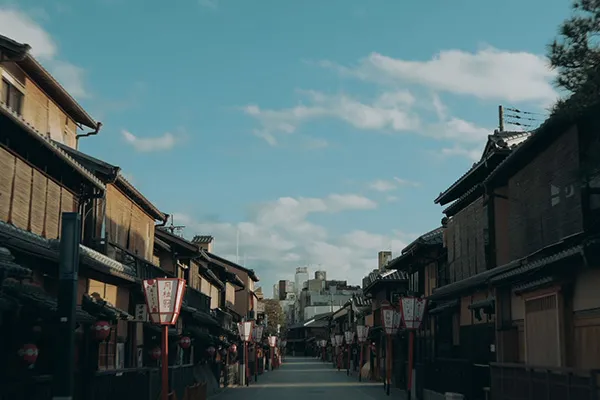
Exploring Gion on Foot from the Imperial Hotel, Kyoto
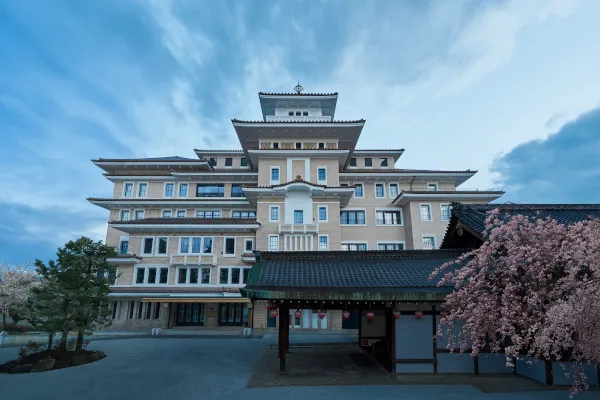
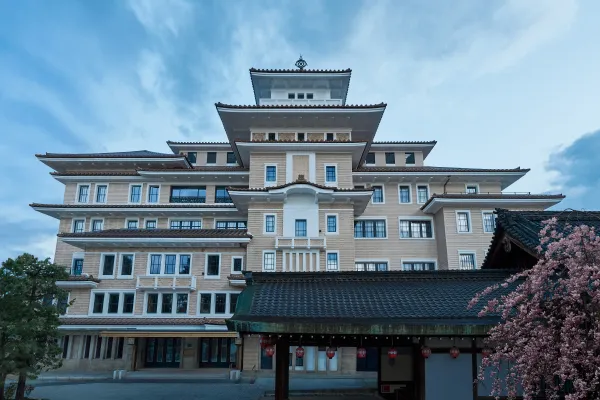
The Imperial Hotel, Kyoto enjoys a central location, with convenient access to Gion and many of the city’s leading cultural attractions and sights. Historic streets, temples, shrines, parks, and cultural facilities in the Gion area are within walking distance, allowing guests to explore at their own pace. The hotel also provides a convenient base for combining a stroll through Gion with visits to other attractions in central Kyoto.

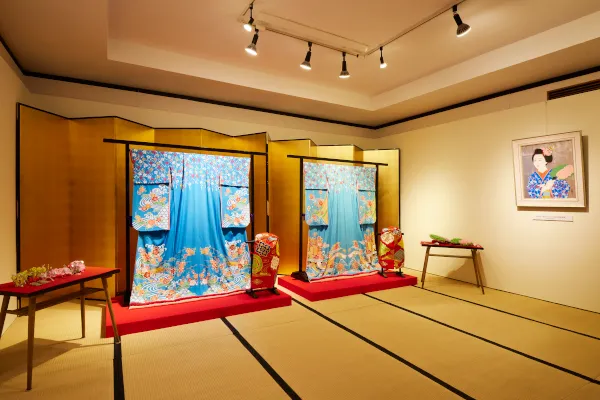
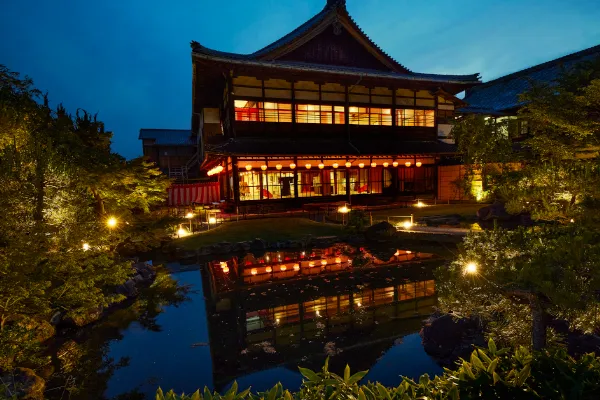
Gion Kagai Art Museum (Adjacent to the Hotel)
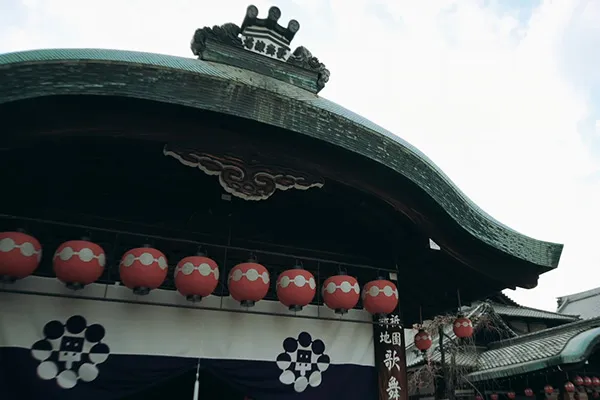
Like the Imperial Hotel, Kyoto, the Gion Kagai Art Museum stands within the grounds of the Gion Kobu Kaburenjo theater. It offers an introduction to the artistry and traditions of a district whose geiko and maiko culture spans more than 300 years.
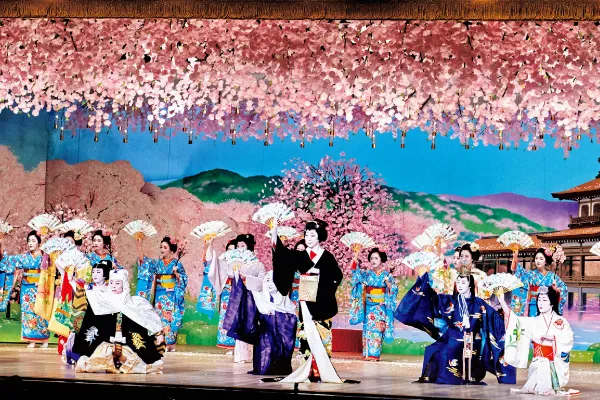
Seasonal kanzashihair ornaments, sumptuous costumes worn in the Miyako Odori spring dance performances, and items used in the daily lives of geiko and maiko reveal the world behind the stage. Together, they offer an insight into the exquisite craftmanship and unwavering dedication that sustain these traditional arts.
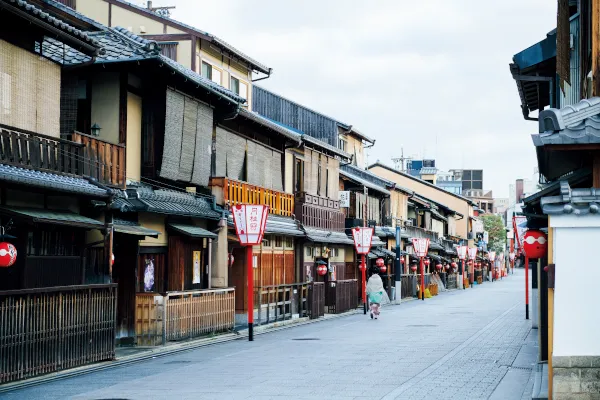
Hanamikoji Street (Approximately 1 minute on foot)
Just outside the hotel grounds, Hanamikoji Street is one of Gion’s most recognizable streets. Traditional machiya townhouses and ochaya teahouses line the stone-paved street, offering a glimpse of the district’s historic surroundings and living culture. A leisurely walk reveals architectural details and subtle changes in atmosphere along the way.
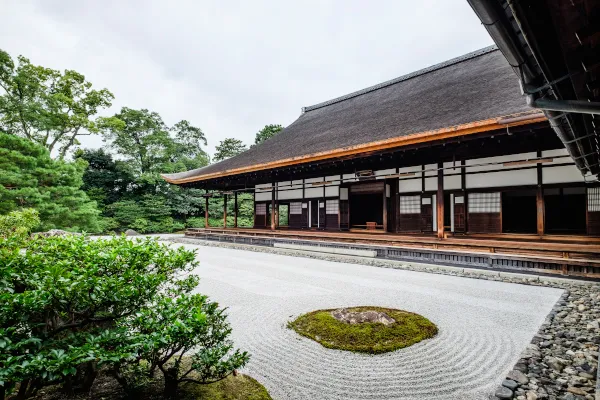
Kennin-ji Temple (Approximately 1 minute on foot)
Founded in 1202, Kennin-ji is considered Kyoto’s oldest Zen temple. Highlights include the tranquil Choon-tei garden and the magnificent "Twin Dragons" painting covering the ceiling of the Dharma Hall, an area equivalent to 108 tatami mats. The temple also has a close connection with Japanese tea culture through its founder, the Zen master Eisai, who brought tea seeds back from China. Its peaceful gardens, historic architecture, and celebrated artworks offer a rewarding cultural experience just moments from the hotel. Here, visitors can enjoy a sense of calm that contrasts with the lively streets of Gion.
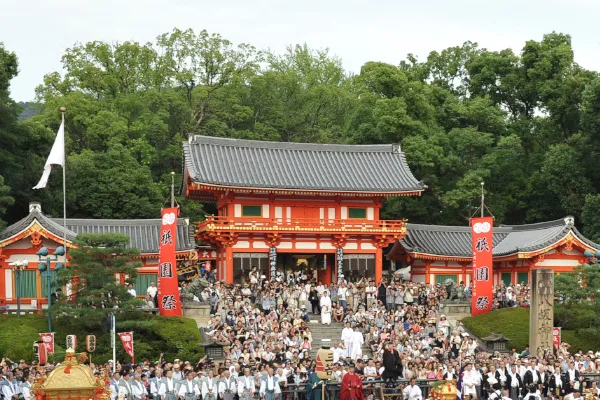
Yasaka Shrine and Maruyama Park (Approximately 7–10 minutes on foot)
Yasaka Shrine, one of Gion’s most iconic landmarks, is the head shrine of approximately 2,300 Yasaka shrines and shrines across Japan dedicated to the deity Susanoo-no-Mikoto. Affectionately known as “Gion-san,”it is closely associated with Kyoto's famous Gion Festival. Adjacent Maruyama Park offers natural beauty throughout the seasons and is especially renowned for its spring cherry blossoms. Visiting both provides an opportunity to experience Kyoto’s history and culture alongside its seasonal scenery.
Chion-in Temple (Approximately 13 minutes on foot)
Chion-in, the head temple of Jodo Shu, the Pure Land school of Buddhism, is renowned for its imposing Sanmon Gate—one of Japan’s largest wooden two-story gates and a designated National Treasure. Its extensive grounds combine stately architecture with natural beauty. Continuing beyond Maruyama Park brings visitors into a quieter, more contemplative setting, away from Gion’s lively streets. The gradual change in atmosphere along the route is one of the pleasures of exploring on foot.
Enjoying Kyoto's Historic Streets on Foot
Staying in Gion allows guests to experience the neighborhood’s changing character throughout the day. Early morning walks reveal peaceful streets with few passersby, while evening strolls offer atmospheric views of traditional wooden buildings illuminated by lanterns.
For travelers seeking a hotel in Gion, the Imperial Hotel, Kyoto offers the opportunity to experience the district’s culure at close hand, together with convenient access to attractions throughout central Kyoto. Step outside and explore its historic streets at your own pace, enjoying the scenery, culture, and traditions along the way.
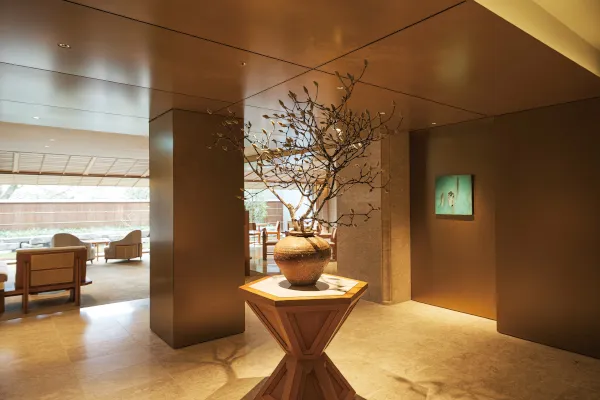
Imperial Hotel, Kyoto
Carrying forward the historic essence of Yasaka Hall in Gion, we opened our doors in March 2026. With profound respect for Kyoto’s heritage and culture, we look forward to nurturing warm, meaningful connections through our heartfelt hospitality.